A good offshore bookkeeper keeps your books current, your reports on time and your accountant happy. The setup works best when you’re clear on what they handle, which tools they use and who reviews their work.
Books that are three months behind cost more than most owners realize. You make decisions without real numbers, invoices go unpaid longer, and tax season turns into a scramble. For many growing businesses, that’s the moment bookkeeping support starts making sense.
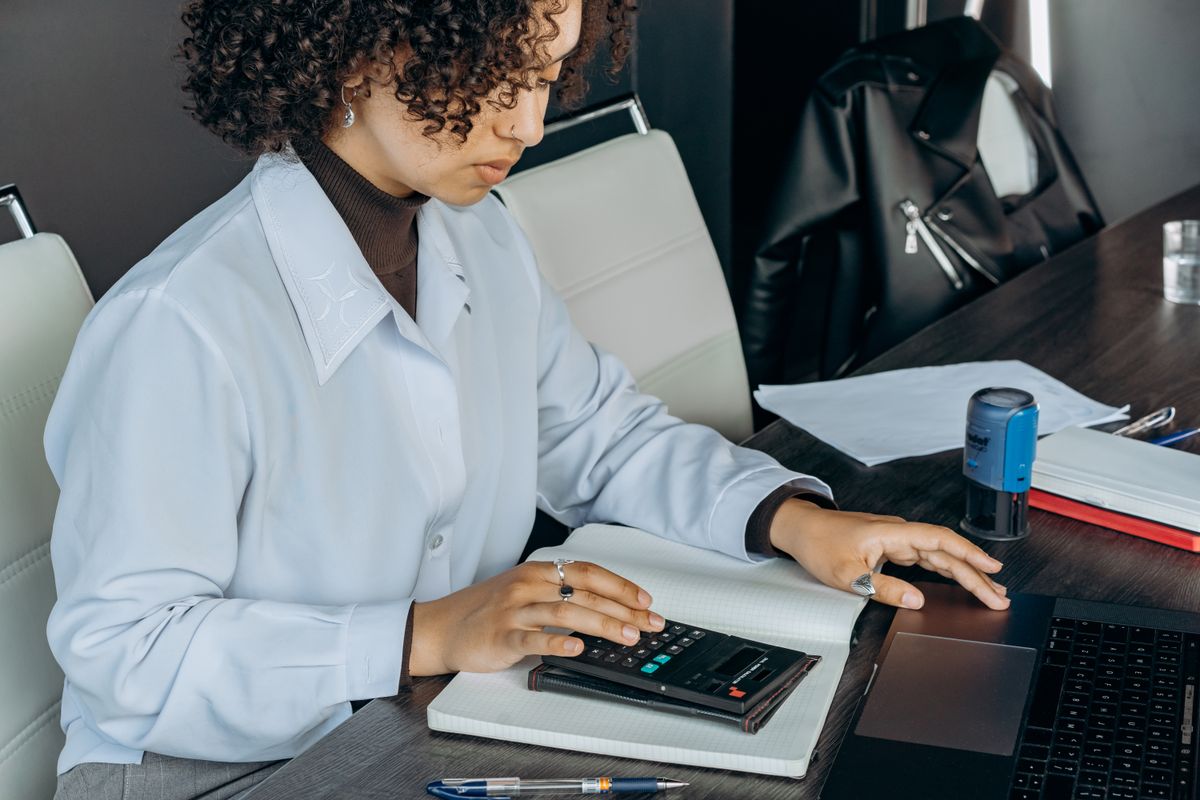
What an offshore bookkeeper can handle
- Recording transactions and categorizing expenses
- Bank and credit card reconciliations
- Sending invoices and following up on unpaid ones
- Entering and scheduling bills
- Preparing monthly reports for you or your accountant
- Keeping receipts and supporting documents organized
Filipino bookkeepers often work with tools like QuickBooks, Xero and similar platforms, and many have supported US, Canadian and Australian businesses before.
What should stay with you or your accountant
Bookkeeping support works best alongside a licensed accountant or CPA in your country. Your bookkeeper keeps the records clean and current. Your accountant handles tax filings, advice and anything that needs a local license. Keep final approvals, like payments and financial decisions, with you.
Your bookkeeper keeps the books clean. Your accountant gives the advice. You make the calls.
Set it up the right way
Before your bookkeeper starts
- Which accounting software you use and what access they need
- Which accounts, cards and payment tools they’ll reconcile
- Your month-end deadline and report format
- Who approves payments and adjustments
- Where receipts and documents are stored
Protect access from day one
Give your bookkeeper their own login instead of sharing yours. Use role-based permissions so they can do their work without being able to move money. Many businesses keep payment approval with the owner and give the bookkeeper view and entry access only.
How to tell it’s working
| Check | Healthy sign |
|---|---|
| Reconciliations | Done monthly, with few unexplained items |
| Month-end reports | Ready by your agreed date |
| Receivables | Invoices go out on time and follow-ups happen |
| Your accountant | Spends less time fixing records |
Dedicated or managed?
If you already have someone who reviews the books, a dedicated bookkeeper gives you a full-time person working only on your business. If you want someone else to handle training, quality checks and reporting too, Fully Managed Services covers that.
A typical month with an offshore bookkeeper
| Week | Main focus |
|---|---|
| Week 1 | Close out the prior month, reconcile accounts |
| Week 2 | Prepare reports for you or your accountant |
| Week 3 | Enter bills, send invoices, follow up on payments |
| Week 4 | Clean up records, prepare for month-end |
Daily work usually includes entering transactions and keeping receipts organized, so month-end is quick instead of stressful.
Questions to ask before hiring
Ask candidates or your provider
- Which accounting software have you used?
- Have you worked with clients in my country?
- How do you handle missing receipts or unclear transactions?
- How do you keep records organized?
- What reports have you prepared before?
Working well with your accountant
Introduce your bookkeeper to your accountant early. Agree on who does what, what the accountant needs each month and the format they prefer. When the two work together smoothly, your accountant spends less time cleaning up and more time giving useful advice.
Clean books every month make tax season boring. That’s exactly what you want.
Common bookkeeping mistakes to avoid
- Letting receipts pile up until month-end
- Mixing personal and business expenses
- Skipping monthly reconciliations
- Giving payment access the role doesn’t need
- No one reviewing the reports
When to add more finance support
As your business grows, you may need help with payroll preparation, accounts payable or collections. Your bookkeeper might take on some of this, or you might add a second finance role. Start with clean bookkeeping, then build from there.
Ready to stop being three months behind? Book a free call with us. Tell us your software, transaction volume and month-end needs, and we’ll help you find the right bookkeeping support.
Frequently asked questions
Can a bookkeeper in the Philippines work with QuickBooks or Xero?
Yes. Many Filipino bookkeepers have experience with QuickBooks, Xero and similar tools, and with clients in the US, Canada and Australia.
Does an offshore bookkeeper replace my accountant?
No. A bookkeeper keeps your records current. Tax filings, advice and licensed work should stay with your accountant or CPA.
How do I keep my finances secure with an offshore bookkeeper?
Use individual logins, role-based permissions and keep payment approval with yourself. Give access only to what the role needs.